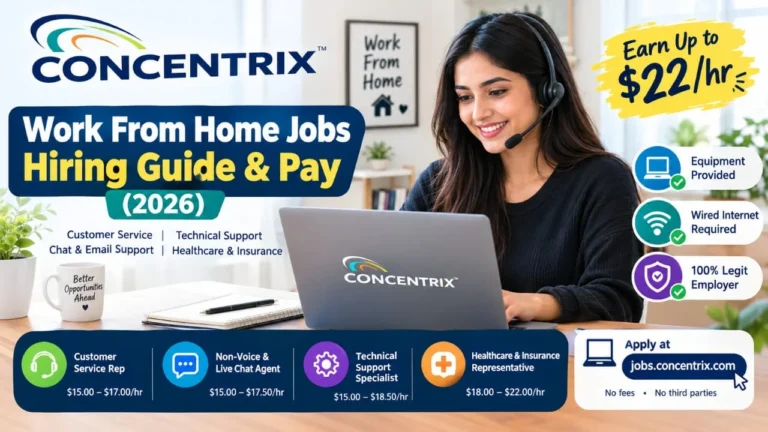
Types of Customer Service Jobs: Full List of Remote Roles (2026)

Looking for a customer service job you can do from home? There are many types of customer service jobs, including live chat, email, phone, technical support, billing, and social media support.
These jobs help customers solve problems, answer questions, and get support before or after buying a product. Many of these roles are available from home for beginners and experienced workers.
The right customer service job depends on your skills, experience, and whether you prefer phone or non-phone work.
What Is a Customer Service Job?
At its core, a customer service job focuses on solving simple problems. When buyers have questions about a late delivery, a broken product, or a billing charge, they reach out to customer support. The main task is to listen, stay calm, and provide a quick answer. While AI automation impact continues to transform modern helpdesks, human agents remain crucial for complex issues.
Many freshers ask: what jobs are considered customer service? The answer covers many entry-level positions, ranging from basic call center agents to specialized technical support reps.
Main Types of Customer Service Jobs from Home
Remote support roles generally fall into three main groups based on communication methods. Customer service jobs include phone, chat, email, and social media support. The U.S. Bureau of Labor Statistics provides more details on these roles.
1. Non-Phone Customer Service Jobs (No Voice Calls)
These roles work great for candidates who feel nervous on phone calls or prefer typing.
- Live Chat Support Agent: Reps assist online shoppers in real time through website or app chat windows. Exploring remote chat support jobs is a popular route for beginners who want non-voice positions. Daily tasks include managing 2 to 3 conversations at once, helping buyers track packages, and answering product queries.
- Email & Help Desk Specialist: Agents answer help tickets sent by email through platforms like Zendesk or Freshdesk. Daily responsibilities include managing ticket queues, sending template responses, and tracking issue resolution times.
- Social Media Support Rep: Reps monitor official pages on Facebook, X, or Instagram using management dashboards. Main duties involve replying to public comments, handling brand complaints, and guiding sensitive issues into private DMs.
2. Voice & Phone-Based Customer Service Roles
These traditional roles involve talking directly to callers using a computer headset and softphone systems.
- Inbound Call Support Agent: Joining remote call center positions offers structured workflows for agents handling incoming calls regarding account details, refunds, or general inquiries.
- Outbound Service Representative: Reps place outgoing calls to current customers using automated CRM dialers. Main tasks include following up on pending orders, verifying account details, or gathering customer satisfaction scores.
- Virtual Receptionist: Receptionists manage incoming calls for small businesses, filter out spam calls, book appointments using online calendars, and transfer important callers to the correct team member.
3. Technical & Specialized Support Roles
These positions suit applicants with basic tech knowledge or specialized business skills.
- Technical Support Specialist (Tier 1): Technicians guide users through simple software issues like password resets, app crashes, or browser cache fixes. Complex bugs are forwarded to Tier 2 engineering teams.
- Billing & Account Specialist: Specialists fix payment errors, issue refunds, update credit card details, and resolve invoice mistakes using payment dashboards.
- Client Onboarding Specialist: Onboarding reps walk new customers through setting up accounts and using core software features step-by-step through video calls or video tutorials.
Remote Customer Service Roles Comparison Table
| Job Role | Communication Channel | Phone Required? | Skill Level | Average Hourly Pay |
|---|---|---|---|---|
| Live Chat Representative | Website Live Chat | No | Beginner | $14 – $18 / hr |
| Email Support Agent | Help Desk Software | No | Beginner | $15 – $19 / hr |
| Inbound Call Agent | Softphone / Headset | Yes | Beginner | $14 – $20 / hr |
| Tier 1 Tech Support | Chat / Screen Share | Optional | Intermediate | $18 – $25 / hr |
| Billing Specialist | Email / Phone | Optional | Intermediate | $17 – $22 / hr |
How to Choose the Right Customer Support Role: Step-by-Step Guide
Choosing the right customer service job starts with your skills, comfort level, and work setup. Use these simple steps to find a role that fits you.
- Choose Phone or Non-Phone Customer Service
Choose chat or email jobs if you type fast and write clearly. Choose phone support if you feel comfortable talking to customers and solving problems on calls.
- Check Your Experience Level
If you have no experience, look for entry-level customer support jobs with paid training. If you have tech skills, consider Tier 1 tech support or billing support roles.
- Check Your Home Office Setup
You may need a laptop or PC, USB headset, and stable internet. Phone jobs also usually require a quiet workspace. Target companies offering jobs providing free equipment if buying hardware upfront is not an option
- Prepare for Hiring Tests
Practice typing until you can reach 40–50 WPM with good accuracy. Also, review customer service interview guide before applying.
Key Skills Needed for Remote Customer Service Jobs
- Fast Typing & Accuracy: A speed of 40 to 60 words per minute helps chat and email agents maintain fast response times.
- Clear Writing: Simple grammar and a friendly tone keep customer communications professional.
- Empathy and Patience: Remaining calm during difficult conversations keeps customer frustration under control.
- Basic Software Knowledge: Learning popular customer support software tools like ticketing systems and chat software improves daily efficiency.
Conclusion
There are many types of customer service jobs, from live chat and email support to phone, billing, and technical support. Beginners can start with entry-level roles, while people with more skills can move into specialized positions.
Choose a role that matches your skills, experience, and home setup. With the right preparation, you can find a remote customer service job that fits your needs.
Frequently Asked Questions
Inbound call agents and live chat support reps are usually the easiest entry-level positions. Most companies provide full paid training before agents handle live customer requests.
No. Many modern businesses hire for non-phone customer service roles, such as live chat, email ticket management, and social media support.
In 2026, most entry-level remote customer service jobs pay between $14 and $20 per hour. Specialized roles like technical support or billing specialists can pay $25 per hour or higher