Top Skills to Put on a Resume That Get You Hired Fast (2026)

Struggling to pick the right skills for your resume? You’re not alone. Most resumes get rejected in under 7 seconds — not because candidates lack talent, but because their skills section misses the mark.
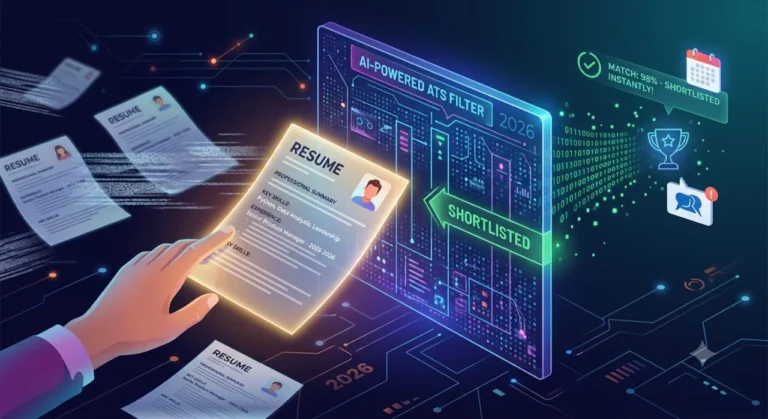
Here’s the truth. Before any hiring manager reads your resume, an ATS (Applicant Tracking System) scans it first. Wrong skills? Your resume goes straight to the digital trash.
But the right skills? They get you interviews. And interviews get you hired. In this guide, you’ll learn:
- Which skills employers actually want in 2026
- How to list them the right way
- Mistakes that silently kill your chances. Read our guide why you’re Not Getting Remote Jobs.
- No fluff. No filler. Let’s get you hired.
Whether you’re writing a resume for the first job or updating your current one, choosing the right skills to put on a resume makes all the difference.
What Are Resume Skills?
Resume skills are abilities that show employers what you bring to the table. They answer one simple question: Can this person do the job?
There are two types:
Hard skills are technical. You learn them through education, courses, or work experience. Think coding, data analysis, or accounting.
Soft skills are personal. They show how you work with people. Think communication, leadership, or teamwork.
Employers want both. A developer who can’t communicate is a problem. A great communicator who can’t do the work is also a problem. The magic happens when you combine them.
The World Economic Forum reports that 39% of core skills will change by 2030. Keeping your skills updated isn’t optional anymore — it’s survival.
Top 10 Skills to Put on a Resume Employers Want in 2026
These are the 10 most in-demand skills across industries right now.
| Skill | Type | Why It Matters |
|---|---|---|
| Communication | Soft | Required in every job |
| Problem-Solving | Soft | Employers need thinkers |
| Data Analysis | Hard | Drives decisions |
| Project Management | Hard | Keeps work organized |
| Leadership | Soft | Needed at all levels |
| Adaptability | Soft | Change is constant |
| Computer Skills | Hard | Must-have in 2026 |
| Teamwork | Soft | Collaboration is key |
| AI Tools | Hard | Fastest-growing skill |
| Customer Service | Soft | Impacts business success |
👉 These work for almost any job—but always customize them.
Soft Skills for Resume That Employers Love
Soft skills are your secret weapon. Many candidates have similar technical skills. But soft skills make you memorable. Hiring managers now call these “durable skills” because they never go out of style.
Here are the ones that matter most:
1. Communication
Every job requires clear communication. Emails, presentations, team meetings — this skill tops every employer’s wishlist.
2. Problem-Solving
Employers don’t want people who just follow instructions. They want people who find solutions when things break.
3. Adaptability
Technology changes fast. Roles evolve. Companies pivot. If you adapt quickly, you’re ahead of 90% of candidates.
4. Leadership
You don’t need a “Manager” title to show leadership. Taking initiative, mentoring others, or leading a project all count.
5. Teamwork & Collaboration
No company runs on solo players. This matters even more in remote and hybrid environments.
6. Critical Thinking
Can you analyze a situation, weigh options, and make smart decisions? That’s critical thinking. Employers need it badly.
7. Time Management
Deadlines don’t wait. Managing your time effectively tells employers you’re reliable and organized.
8. Creativity
Fresh ideas drive growth. Whether you’re in marketing, engineering, or healthcare — creative thinking adds value everywhere.
9. Emotional Intelligence
Understanding your emotions and reading others’ feelings helps you navigate workplace dynamics smoothly.
10. Conflict Resolution
Disagreements happen at work. If you resolve them professionally, you become invaluable to any team.
Don’t just write “teamwork” on your resume. Prove it: “Collaborated with 5 departments to launch a product 2 weeks ahead of schedule.”
Hard Skills for Resume — Examples That Get You Hired
Hard skills are your proof of competence. They tell employers, I can do this job on day one.
Here are the most valuable ones for 2026:
1. Data Analysis
Every business runs on data. If you can analyze numbers, spot trends, and make recommendations — you’re golden. Tools like Excel, Tableau, and Power BI are highly valued.
2. Programming & Coding
Python, JavaScript, SQL — these aren’t just for developers anymore. Marketing, finance, and healthcare roles increasingly need people who understand code.
3. Project Management
Organizing workflows, meeting deadlines, coordinating teams. Certifications like PMP or Agile/Scrum make this even stronger.
4. Digital Marketing & SEO
Businesses need online visibility. Skills in SEO, Google Analytics, content strategy, and social media marketing are always in demand.
5. Cloud Computing
AWS, Azure, Google Cloud — companies are moving to the cloud fast. Understanding cloud platforms puts you ahead.
6. AI & Automation Tools
ChatGPT, automation workflows, AI-powered analytics — these are the fastest growing skills in the job market right now.
7. Financial Analysis
Budgeting, forecasting, financial modeling — critical skills in finance, operations, and management roles.
8. Graphic Design
Visual communication matters. Skills in Canva, Adobe Creative Suite, or Figma are valuable across marketing, education, and tech.
9. CRM Software
Salesforce, HubSpot, Zoho — companies rely on CRM tools daily. Knowing them is a huge plus for sales and marketing roles.
10. Cybersecurity
With data breaches rising, cybersecurity skills are among the most sought-after. Even basic knowledge gives you an advantage.
Important: Always match your hard skills to the job description. A skill that’s perfect for one role might be completely irrelevant for another.
Computer Skills for Resume (Must-Have in 2026)
Let’s be real — without basic computer skills in 2026, you’re at a serious disadvantage.
Here’s what to include based on your level:
Basic (Everyone should know):
- Microsoft Office (Word, Excel, PowerPoint)
- Google Workspace
- Email management
- File and cloud storage
Intermediate (Most professional roles):
- Database management
- Basic HTML/CSS
- Project management tools (Asana, Jira, Trello)
- Video conferencing platforms
Advanced (Tech and senior roles):
- Programming languages
- Cloud platforms (AWS, Azure)
- AI tools and prompt engineering
- Business intelligence tools (Tableau, Power BI)
2026 Trend: Employers are specifically asking for AI tool proficiency in job descriptions. Adding this shows you’re future-ready.
Skills to Include by Career Level
Your career stage changes what skills matter most. Here’s what to focus on:
Entry-Level / Freshers
You’re new. Employers know that. They’re looking for potential, not perfection. There’re many no experience remote jobs you can start now.
Focus on:
- Communication
- Teamwork
- Computer skills
- Problem-solving
- Willingness to learn
- Time management
- Customer service
No experience jobs? Pull skills from coursework, internships, volunteer work, or personal projects. They all count.
Career Switchers
Your challenge is showing how old skills apply to a new field.
Focus on:
- Transferable skills (communication, project management)
- Adaptability
- Critical thinking
- New technical skills you’re building
Quick Example:
Teacher → Corporate Trainer
- Curriculum development → Training design
- Student assessment → Performance evaluation
- Classroom management → Workshop facilitation
Senior / Leadership Roles
At this level, strategy matters more than tactics.
Focus on:
- Strategic planning
- Leadership & team development
- Decision-making
- Cross-functional collaboration
- Change management
- Stakeholder management
How to List Skills on a Resume (5 Simple Steps)
Knowing what skills to include is half the battle. Here’s how to present them right:
- Read the Job Description Twice
The job posting tells you exactly what they want. Highlight every skill mentioned. These are your target keywords.
- Pick 8-12 Matching Skills
Compare your abilities with the job requirements. Choose only skills that directly align with the role. Don’t add random skills just to fill space.
- Balance Hard and Soft Skills
A good ratio is 60% hard skills and 40% soft skills. This shows you can do the job AND work well with people.
- Step 4: Spread Skills Across Your Resume
Don’t dump everything in one section. Place skills in:
Summary → 2-3 key skills
Skills section → 8-10 bullet points
Work experience → Skills woven into achievements - Add Numbers and Proof
Numbers make your skills real and measurable. Instead of vague lines like “helped with sales,” say “increased sales by 35%.” Use clear results to prove your impact.
Success Story: From Rejected to Hired in 2 Weeks
Ali, a fresh graduate, applied to over 50 jobs but got zero responses. His resume had skills like “hardworking” and “team player” — nothing that matched job descriptions.
After updating his resume using the right strategy:
- Added job-specific skills (Excel, Data Analysis, Communication)
- Included AI tools knowledge
- Rewrote experience with numbers and results
Within 2 weeks, he got:
- 5 interview calls
- 2 job offers
👉 His breakthrough wasn’t experience — it was listing the right skills the right way.
Skills Section Format (What Actually Works)
Here are two clean formats that both ATS and hiring managers love:
Format 1: Simple Bullet List
SKILLS
- Project Management (Agile)
- Data Analysis (Excel, SQL)
- Communication
- Leadership
Format 2: Cateorized Layout
SKILLS
- Technical: Python, SQL, AWS
- Soft Skills: Communication, Leadership
- Marketing: SEO, Analytics
- Avoid graphics—ATS can’t read them.
5 Mistakes That Kill Your Resume Skills Section
Avoid these at all costs:
1. Keyword Stuffing: Repeating “project management” 8 times won’t help. ATS flags it as spam. Recruiters hate it too.
2. Listing Irrelevant Skills: Great at gardening? Cool. But leave it off your accounting resume. Every skill must support the role.
3. Being Too Generic: Hard worker” and “team player” mean nothing without proof. Anyone can claim that.
Instead: Good communicator
Presented quarterly reports to 20+ executives
4. Adding Too Many Skills: A list of 30 skills overwhelms the reader. 8-12 targeted skills always beat a long generic list.
5. Never Updating Skills: The job market evolves fast. Update your skills section every 3-6 months. Add new tools, certifications, and technologies you’ve learned.
Here’s a shorter version of your conclusion:
Conclusion
Your skills section can make or break your resume. Focus on 8–12 relevant hard and soft skills, and back them up with examples. Keep it updated regularly. The right skills don’t just pass ATS—they land interviews. Update your resume today and apply with confidence!
FAQs About Skills to Put on a Resume
Communication, Problem-solving, Data analysis, Project management, Leadership, Computer skills, Adaptability, Teamwork, AI tools, Customer service
List 8–12 skills max matching the job
Include soft skills: Communication, Leadership, Adaptability
Use transferable skills from school, internships, or volunteer work: Communication, Teamwork, Computer literacy, Time management, Eagerness to learn.
Resume: 8–12 focused skills for a specific job
CV: 15–20 skills covering your entire career
For most US & Canadian jobs, resume-style skills work best
Absolutely. Skills like Data analysis, Programming, and AI prompt engineering are in high demand in 2026.